By Allan Kai
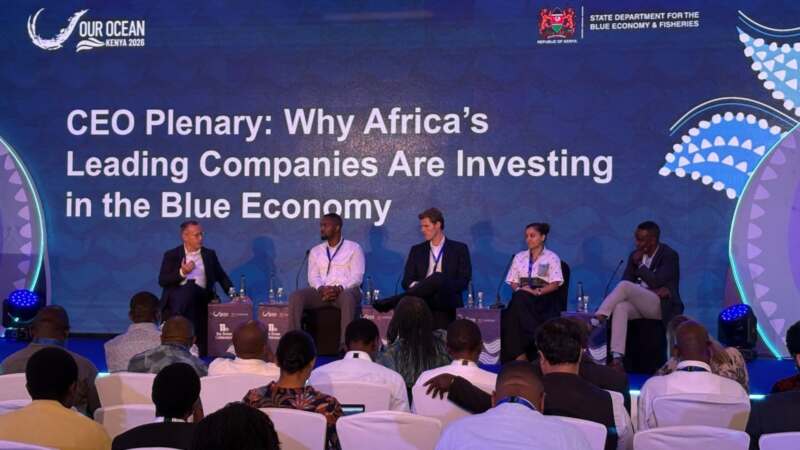
This year, global attention turned to Kenya for the 11th Our Ocean Conference held in Mombasa. Leaders from around the world pledged billions of dollars toward ocean conservation, sustainable fisheries and climate resilience. The conference culminated in the Mombasa Declaration, reaffirming the need for stronger governance of marine resources, protection of biodiversity and sustainable use of the ocean to support livelihoods.
Away from the international spotlight, Kenya is quietly working on one of its most significant pieces of blue economy legislation in years.
The Fisheries Management and Development Bill, 2023 is currently making its way through Parliament. While it may not command the same headlines as international conferences or high-profile investment announcements, the Bill could become the legal foundation that determines whether Kenya delivers on many of the commitments made in Mombasa.

Mombasa County Governor, Abdulswamad Sharif Nasir and Cabinet Secretary the State Department of Mining and Blue Economy, Ali Hassan Joho (Center) attending the opening of the OOC11 conference in Mombasa early this month. Photo: Courtesy
If enacted, it will reshape how fisheries are governed, who manages them, how coastal communities benefit from them, and how the country protects one of its most valuable natural resources.
Why Kenya Needs a New Fisheries Law
Kenya's fisheries sector contributes significantly to food security, employment and the country's growing blue economy. Thousands of households along the coast, around Lake Victoria and across inland water bodies depend on fishing and aquaculture for their livelihoods.
However, the legal framework governing the sector has struggled to keep pace with modern realities.
Over the years, concerns have grown over illegal, unreported and unregulated (IUU) fishing, declining fish stocks, climate change, habitat degradation and increasing conflicts over licensing and resource management between the national and county governments.
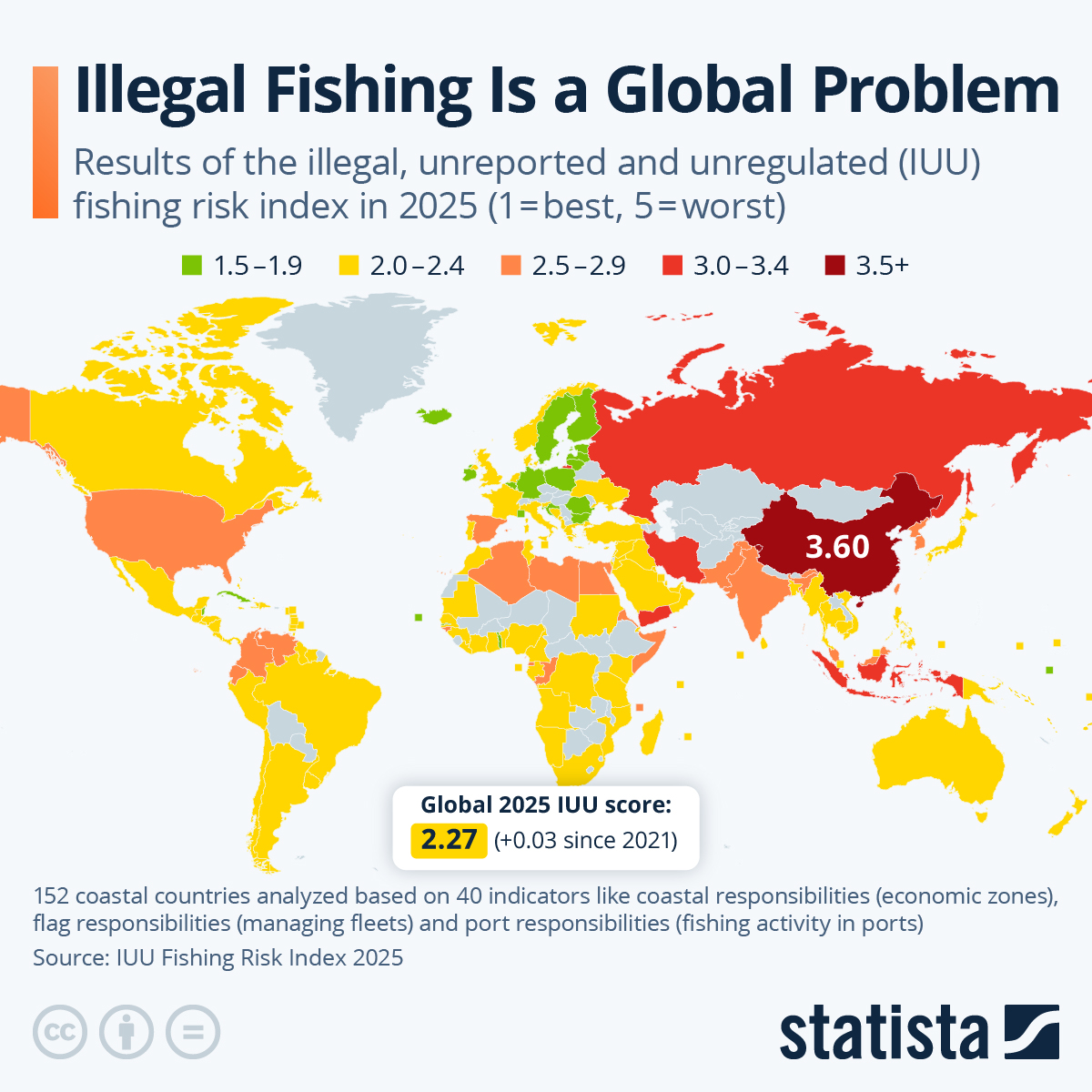
Graphic on the threat of IUU fishing globally. Part of what the bill will seek to tackle in marine and inland fisheries. Photo: Statista
Stakeholders have also pointed to gaps in supporting artisanal fishers, regulating commercial aquaculture and strengthening fisheries research.
The Fisheries Management and Development Bill, 2023 seeks to address these challenges by repealing and replacing the existing legislative framework with a more comprehensive law aligned to Kenya's devolved governance system and blue economy ambitions.
Tabling the Bill
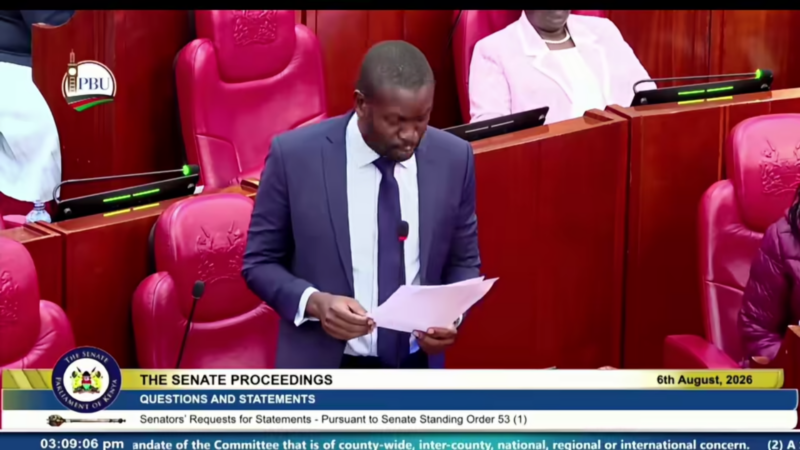
The Bill was introduced in the National Assembly by the Leader of the Majority Party, Kimani Ichung'wah, as part of the government's broader strategy to modernize fisheries governance.

National Assembly by the Leader of the Majority Party, Kimani Ichung'wah was responsible for tabling the Bill in 2023. Photo: Parliament of Kenya
Among its key objectives are strengthening enforcement against illegal fishing by foreign vessels operating in Kenyan waters, promoting sustainable fisheries management, clarifying institutional responsibilities and supporting growth of the blue economy.
Rather than simply updating regulations, the Bill proposes an entirely new governance structure for managing Kenya's marine and inland fisheries.
What's Being Proposed?
One of the most significant features of the Bill is the creation of stronger institutions to oversee the fisheries sector.
Among the proposals is the establishment of the Kenya Fisheries Service, a dedicated agency responsible for regulating, managing and developing fisheries resources nationwide.
The Bill also proposes the creation of a Fish Levy Trust Fund and a Fisheries Research Fund, designed to finance infrastructure development, research, improved landing sites and support programmes for artisanal fishing communities.
To strengthen enforcement, the legislation introduces a Monitoring, Control and Surveillance (MCS) Unit, which would coordinate efforts to combat illegal fishing, particularly along Kenya's Indian Ocean coastline and Lake Victoria.
Supporters argue these institutions would provide the technical and financial backbone needed to sustainably grow Kenya's fisheries while improving compliance and protecting marine ecosystems.
Public Scrutiny of the Bill
The Bill has not had an easy passage through Parliament.
Earlier draft regulations related to marine fisheries generated widespread concern among coastal and lakeside communities.
Fishers feared some proposals would criminalize traditional fishing practices, restrict access to fishing grounds and impose new compliance requirements without sufficient consultation.
Questions also emerged over fishing at unregistered landing sites and how proposed conservation measures might affect small-scale fishing communities that depend on daily catches for survival.
The debate extended beyond fishing communities.
One of the most contentious issues has been the division of powers between the national government and county governments.
The Council of Governors raised concerns over licensing responsibilities, arguing that fisheries functions assigned under devolution should not be recentralized.
Meanwhile, the State Department for Blue Economy maintained that national oversight remains essential for managing shared aquatic resources, combating illegal fishing and fulfilling Kenya's international obligations.
The disagreements prompted further consultations and revisions.
Public Participation Shapes the Bill
Following stakeholder pressure, Parliament initiated extensive public participation exercises across the country.
The National Assembly Departmental Committee on Blue Economy, Water and Irrigation collected views from fishing communities, Beach Management Units (BMUs), researchers, civil society organizations, county governments and industry players.
These consultations resulted in several proposed amendments intended to strike a better balance between conservation and livelihoods.
Among the issues currently under discussion are:
· defining exclusive inshore fishing zones reserved for artisanal fishers;
· formally recognizing the role of Beach Management Units in fisheries governance;
· protecting the rights of small-scale fishing communities;
· strengthening measures against illegal, unreported and unregulated fishing; and
· improving coordination between national and county governments.
The extensive consultation process reflects the importance of fisheries to millions of Kenyans and the complexity of managing shared aquatic resources under Kenya's devolved system.
Where the Bill Stands Today
The Fisheries Management and Development Bill has progressed through the National Assembly and has entered one of its final legislative stages.
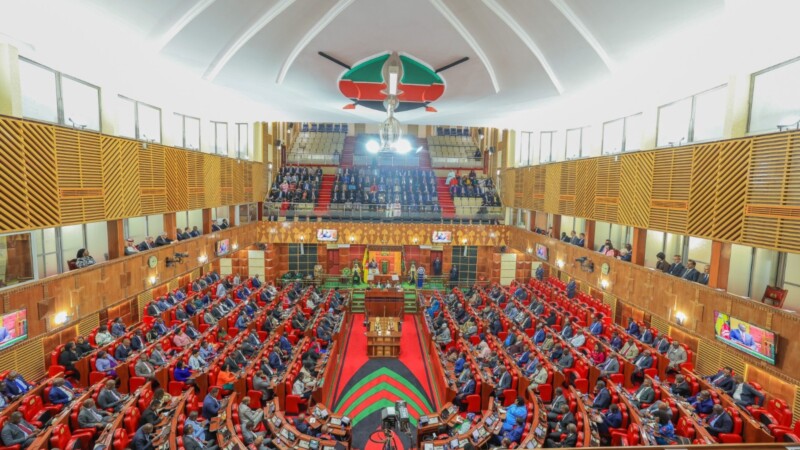
Members of Parliament are currently considering the Bill during the Committee of the Whole House, where every clause is debated individually and amendments can still be introduced before the legislation proceeds to Third Reading.
Parliament did not complete consideration of the Bill before proceeding on its short recess from 2 July to 27 July 2026.
The House is expected to resume sittings on 28 July 2026, when lawmakers will continue debating the remaining clauses.
Should Parliament complete consideration and approve the Bill, it will proceed to Third Reading before being transmitted for presidential assent.
Because the legislation was introduced during the Fifth Session of the Thirteenth Parliament, it must be concluded before the end of the current parliamentary session in December 2026 unless Members resolve to carry it over under the National Assembly Standing Orders.
Why This Bill Matters After the Our Ocean Conference
The timing of the Bill is significant.
Only weeks after Kenya hosted the 11th Our Ocean Conference, the country now faces the challenge of translating international commitments into domestic action.
The Mombasa Declaration emphasized the importance of sustainable fisheries management, protecting marine biodiversity, strengthening ocean governance and supporting coastal communities that depend on healthy marine ecosystems.

H. E. President William Ruto at the Blue Radio Kenya booth during the just concluded 11th Our Ocean Conference in Mombasa.
Many of the principles reflected in the declaration closely align with the objectives contained in the Fisheries Management and Development Bill.
The proposed legislation seeks to strengthen monitoring of fisheries, improve conservation measures, increase investment in fisheries research, combat illegal fishing and provide stronger institutional support for sustainable resource management.
Just as importantly, the Bill recognizes that conservation cannot succeed without community participation.
By formally recognizing Beach Management Units (BMUs) and creating financial mechanisms that can support local fisheries development, the legislation places coastal communities, artisanal fishers, women and young people closer to the center of fisheries governance.
This mirrors one of the strongest messages emerging from the Our Ocean Conference—that ocean conservation and economic development should reinforce, rather than compete with, one another.
Healthy fish stocks, resilient coastal ecosystems and empowered local communities are increasingly viewed as interconnected pillars of a sustainable blue economy.
If enacted, the Fisheries Management and Development Bill, 2023 could become one of Kenya's most consequential blue economy laws in more than a decade.
Gilitics Media Ltd.
Allan Kai is a Fisheries and Conservation reporter for Blue Radio. He brings a wealth of experience in marine and fisheries reporting, having collaborated with various media houses and environmental organizations. Allan has a proven knack for crafting impactful stories that connect local communities with nature. For inquiries, please contact him at allankaigari@gmail.com.