Blue Radio | Gilitics Media
Twelve years. Eleven conferences. More than 2,900 commitments worth over $169 billion.
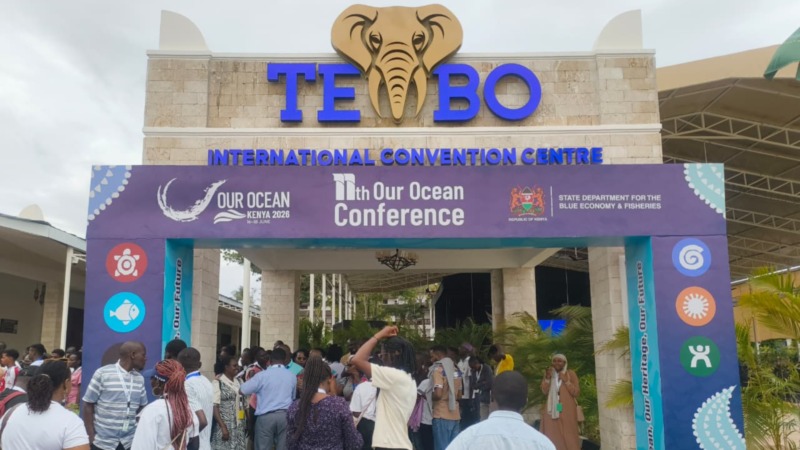
Those are the numbers the Our Ocean Conference carries into its 2026 edition in Mombasa. They are impressive. They are also, in the view of many ocean advocates arriving at OOC11, part of the problem.
The critique is not that the commitments were insincere. It is that commitment-making has become the default mode of global ocean governance—and the gap between what is pledged in conference rooms and what actually happens in the water is widening.
The 30x30 target illustrates this most sharply. The world has committed, through the Kunming-Montreal Global Biodiversity Framework, to protecting at least 30% of the ocean by 2030. With fewer than five years remaining, the trajectory of implementation does not match the trajectory of the ambition. Too much protection exists only on paper.
Too many marine protected areas lack the funding, enforcement capacity, and local leadership required to function as genuine conservation mechanisms rather than cartographic achievements.
OOC11 arrives at this moment with a different mandate than its predecessors. The pressure is not to generate new commitments; it is to close the implementation gap on existing ones.
The High Seas Treaty entering into force in January 2026 provides new legal architecture for that work. Its first Conference of Parties is scheduled for January 2027, meaning the period immediately following OOC11 will be critical for translating treaty obligations into national and regional action plans. What governments and organizations commit to in Mombasa this week will have direct implications for how that COP process unfolds.
The conference’s six priority areas, marine protected areas, sustainable blue economy, the ocean-climate nexus, sustainable fisheries, marine pollution, and maritime security, each carry their own accountability deficit.
Fisheries commitments made at previous editions have not consistently translated into reduced illegal, unreported, and unregulated fishing. Pollution reduction pledges have not stopped the flow of plastic into the ocean at the scale required. Climate adaptation finance for coastal communities remains chronically underfunded relative to the scale of the need.
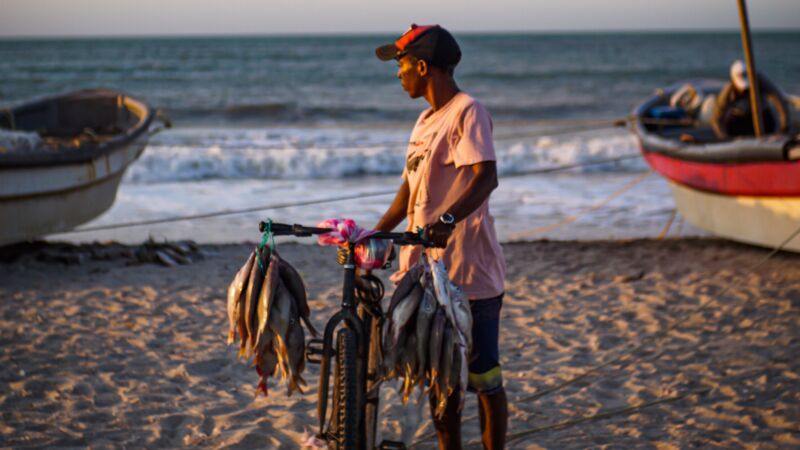
Hosting OOC11 on African soil places a particular kind of accountability pressure on the process. The coastal communities of Kenya and the broader African coast are not abstract beneficiaries of ocean governance decisions. They are present—as participants, as youth delegates, as fisherfolk whose daily lives are shaped by the health of the ocean these conferences are convening to protect.
That proximity is the most important accountability mechanism OOC11 has at its disposal.
Whether it translates into a different quality of commitment—more specific, more funded, more enforceable is what the next three days in Mombasa will determine.
Blue Radio will be watching.