Blue Radio | Gilitics Media
The conversation about Africa’s position in ocean investment is set to make a major leap.
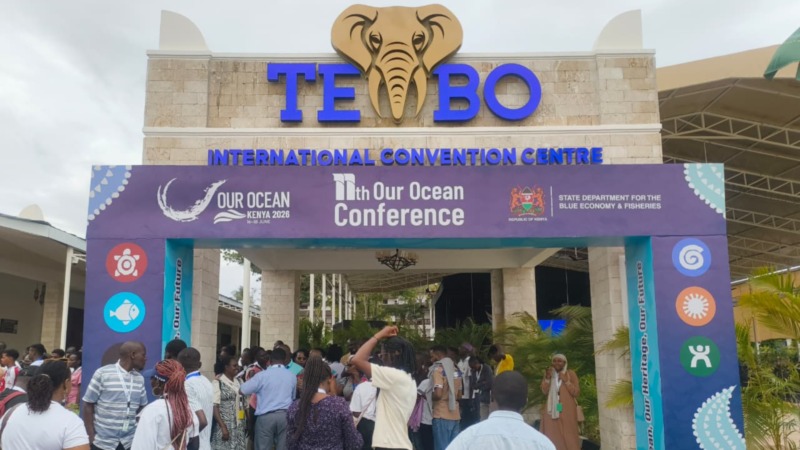
At OOC11 in Mombasa, the private sector is sitting at the table, and the message being sent to investors is clear. The blue economy is an investment frontier, and the window for early positioning is open.
The Executive Business and Investment Forum, held from June 14 to 15 at the PrideInn Paradise in Mombasa ahead of the main conference, brought together senior executives, financiers, and government leaders to move beyond commitment language into investment-ready action. Participants were invited to announce new projects, blended finance models, and commercially driven commitments to the sustainable blue economy.
Since 2014, the Our Ocean Conference process has mobilized more than $169 billion in commitments globally. The conversation at this year’s conference is about capital investment in the ocean economy.
The question is whether capital is reaching the communities and ecosystems that need it most and whether the investment frameworks being developed are suited to African contexts rather than transplanted from elsewhere.
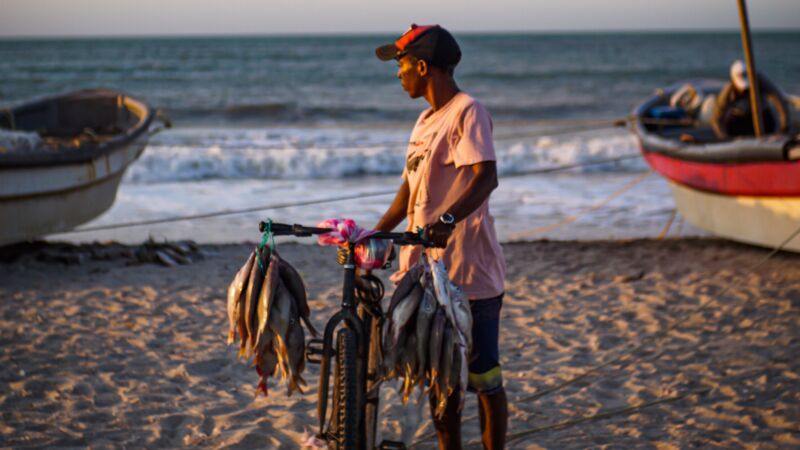
Africa’s blue economy operates across a diverse range of environments: small-scale artisanal fisheries, community-led marine conservation, emerging maritime trade corridors, coastal tourism ecosystems, and a growing offshore energy sector. Investment models designed for large-scale industrial fishing in the North Atlantic do not automatically translate to the Western Indian Ocean.
OOC11 is providing a platform to make that case directly to the financiers and development institutions that need to hear it. Side events are addressing how global blue finance frameworks can be adapted to African contexts, identifying practical pathways to develop investable project pipelines and accelerate implementation across the continent.
The High Seas Treaty entering into force in January 2026 adds another dimension to this investment picture. As international legal frameworks for ocean governance strengthen, the regulatory environment for blue economy investment becomes more predictable — which is precisely the kind of certainty that institutional capital requires before committing at scale.
For Kenya specifically, OOC11 is an opportunity to position Mombasa and the broader East African coast as the operational center of the continent’s emerging blue economy. The infrastructure, the maritime institutions, the coastal communities, and the political will are present. What is needed now is the investment architecture to bring them together into something that generates lasting economic value for the companies that invest and for the coastal populations whose livelihoods depend on a healthy and productive ocean.
The private sector is paying attention. The terms on which it engages will be shaped, at least in part, by what happens in Mombasa this week.